What is Five Elements Colours in Fengshui

what is five elements

The traditional practice of feng shui originated in ancient China about living in harmony with the natural world. Feng shui literally translates as “wind-water” and teaches how to properly position furniture and arrange a room to achieve harmony. Colours, which are related to the five basic elements – wood, fire, earth, metal, and water – … 阅读更多

11 beautiful & Fashionable Crystals Bracelets from Mdada

mdada always peaceful

If you are looking at some crystals bracelets, perhaps you can try looking for them at Fu Lu Shou complex, but you would need to customize the design yourself. Alternatively, try looking at MCrystals Facebook Live by Mdada, which has some beautiful crystals bracelets that are customized, or even customized on the spot upon your … 阅读更多

缅甸仰光大金塔旅游指南

shwedagon pagoda 1 1600px

Shwedagon Pagoda is one of Myanmar’s most iconic landmark we can confidently say that visiting Myanmar without visiting this most important religious site means not visiting Myanmar. So I have decided to write this guide for those interested in visiting the historical site – definitely after the COVID is over and the military junta control … 阅读更多

十二座新加坡比去的佛教寺庙圣地

buddha tooth relic singapore

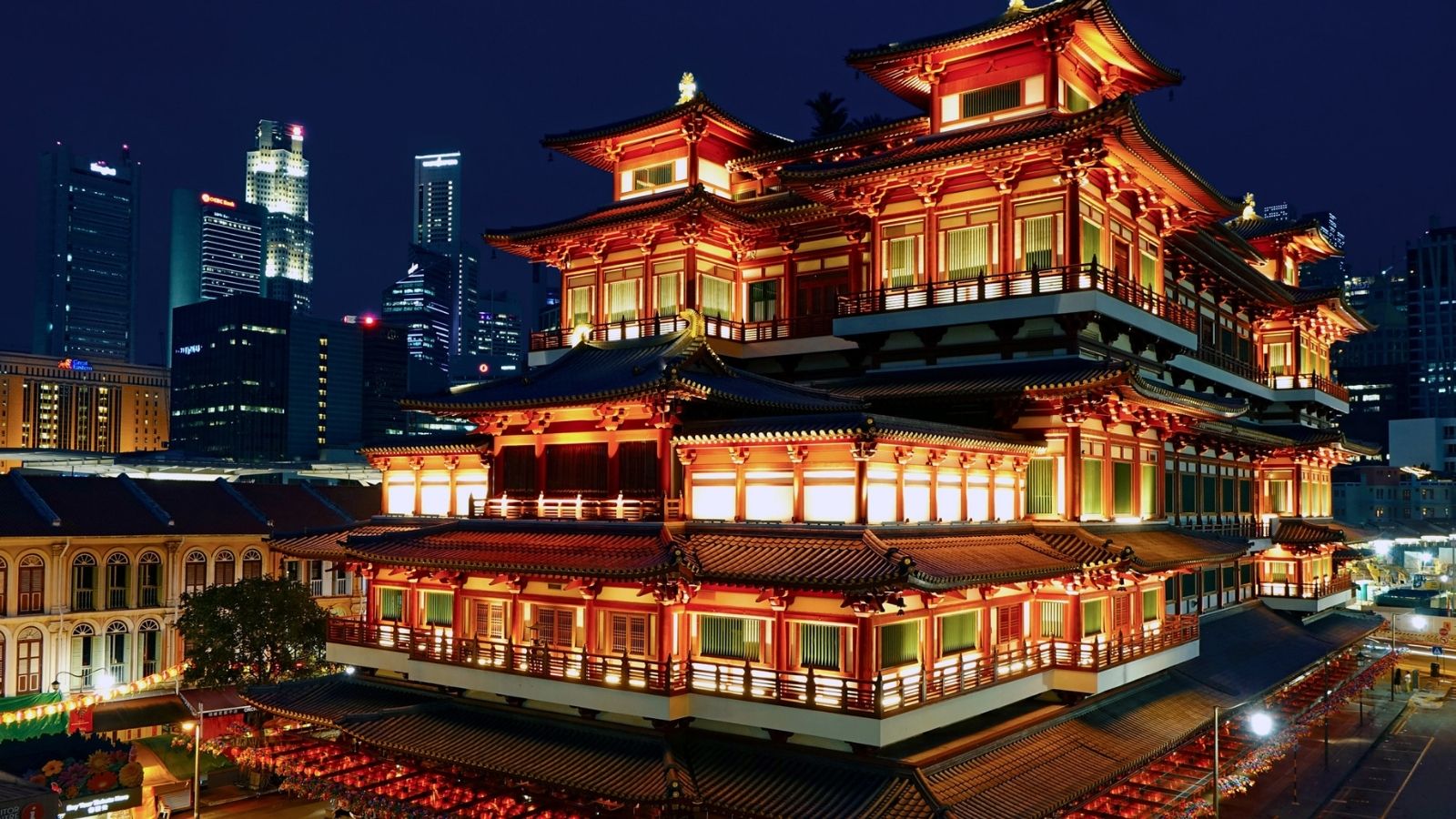
In a small country like Singapore, we have housed people from different religion and culture. Buddhism was one the earliest belief that has been widely spread in the country, with paths of people from different countries. 1. Buddha Tooth Relic Temple Located in the historic district of Chinatown, the Buddha Tooth Relic Temple & Museum’s … 阅读更多

Brahmins in Ancient India: Guardians of Culture, Religion, and Knowledge

brahmin

In the context of Buddhism, Brahmins refer to a social and religious group that played a significant role during the time of the historical Buddha, Siddhartha Gautama. The term “Brahmin” in Buddhism is used to denote members of the Brahmin caste, who were traditionally associated with priestly functions and ritual practices in ancient Indian society. … 阅读更多

Understanding (Koti): The Significance of Vast Numbers in Buddhist Texts

koti

In Buddhist literature, the term 俱胝 (pronounced “Jùzhī” in Chinese and “Koti” in Sanskrit) refers to a large numerical unit, often translated as “ten million” or “one crore.” This term is frequently used in Buddhist scriptures to convey vast quantities, particularly in the context of time, merit, or the number of beings. The concept of … 阅读更多

The Ten Grounds : Stages of the Bodhisattva Path to Enlightenment

dasa bhumi

In Mahayana Buddhism, the Ten Grounds (十地, pronounced “Shí Dì”), also known as Daśa-bhūmi in Sanskrit, represent the ten progressive stages on the path of a Bodhisattva toward full enlightenment and Buddhahood. Each ground or stage marks a significant level of spiritual development, where the Bodhisattva cultivates increasingly profound wisdom, compassion, and skillful means to … 阅读更多

The Path to Nirvana: Exploring the Four Stages of Enlightenment

four stage of enlightenment

The Four Stages of Enlightenment, known as “四向四果” in Chinese, represent a key concept in Theravada Buddhism, outlining the progressive stages that a practitioner passes through on the path to Nirvana. These stages are significant as they mark the gradual purification of the mind and the diminishing of suffering and defilements. Let’s explore each stage … 阅读更多

zh_CN简体中文