
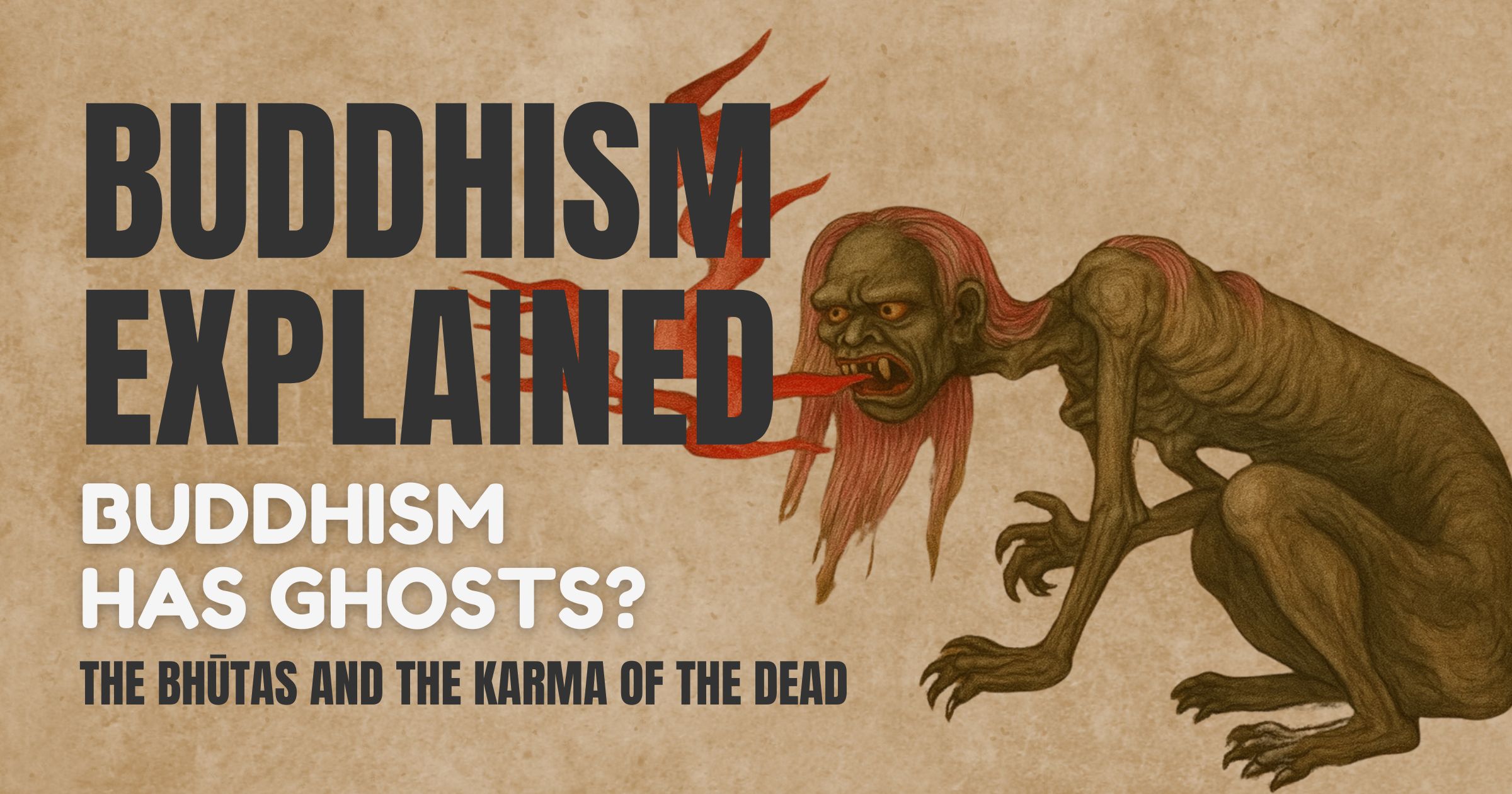
Alright, let’s talk about ghosts. Not the Hollywood kind that slam doors and whisper your name in the dark, but the ones that show up in Buddhist cosmology—the Bhūtas.
In Sanskrit, bhūta means “being” or “that which has become.” Sounds pretty neutral, right? But over time, the term came to represent something much more haunting: the restless spirits of the dead—beings stuck between realms, often due to unresolved karma, improper funerals, or just a whole lot of attachment.
If Yakṣas were wild nature spirits, and Rākṣasas were the chaos-bringers, Bhūtas are the “why is it suddenly cold in here?” crowd. But don’t get it twisted—they’re not all evil. Some are suffering. Some are stuck. And some just need help moving on.
Let’s get into it.
What Exactly Is a Bhūta?
In early Indian and Buddhist cosmology, bhūta simply meant “being.” Over time, especially in folklore, it took on a spookier meaning: a spirit of the dead that lingers in the human world.
Most Bhūtas are described as:
- Invisible or semi-visible beings
- Often trapped in a liminal space (not reborn, not gone)
- Driven by unresolved emotions—grief, anger, confusion, or longing
- Sometimes mischievous, occasionally malevolent, but usually more sad than scary
Bhūtas are common in the background of many Buddhist cultures, especially in Southeast Asia. Shrines for wandering spirits? That’s for the Bhūtas. Rituals to appease ghosts and protect the home? Yep—Bhūtas again.
Why Do Bhūtas Exist in Buddhism?
The presence of Bhūtas fits perfectly into the Buddhist worldview. Buddhism teaches that beings are born into different realms depending on their karma. So if someone dies with:
- A lot of attachment,
- Unresolved cravings,
- Or improper funeral rites (which were super important in ancient times),
They might not move smoothly into their next rebirth. Instead, they could get stuck in a ghostly state—not quite in the human realm, but not out of it either.
That’s the Bhūta realm: a kind of spiritual no-man’s land.
Bhūtas vs. Pretas: What’s the Difference?
Quick note because this gets confusing.
Buddhist texts sometimes mention Pretas, or “hungry ghosts.” These are beings with insatiable desire—think tiny necks, huge bellies, and endless suffering. They’re one of the six realms of rebirth.
Bhūtas can sometimes overlap with Pretas, but they’re not exactly the same. While Pretas are more metaphysical, Bhūtas are often more local—tied to specific places, families, or even objects. Think haunted house vs. existential ghost realm.
So while all Pretas suffer from desire, Bhūtas might just be confused spirits who never got closure.
Buddhism’s Take: Ghosts Need Compassion Too
Here’s the part I love: Buddhism doesn’t treat Bhūtas like cursed monsters to be banished. It treats them like beings in need of help.
There are rituals in many Buddhist cultures—especially in Tibetan and Chinese traditions—specifically meant to feed, soothe, or guide Bhūtas. This could mean offering food, chanting mantras, or performing merit-making ceremonies to transfer good karma to them.
Why? Because helping Bhūtas move on is seen as an act of compassion. It benefits them, and it clears the path for the living. It’s a reminder that spiritual practice doesn’t stop with ourselves. It reaches backward and forward.
The Symbolism of Bhūtas: What Haunts Us?
At a deeper level, Bhūtas aren’t just ghost stories. They symbolize what happens when we die with clinging, regret, or unfinished karma.
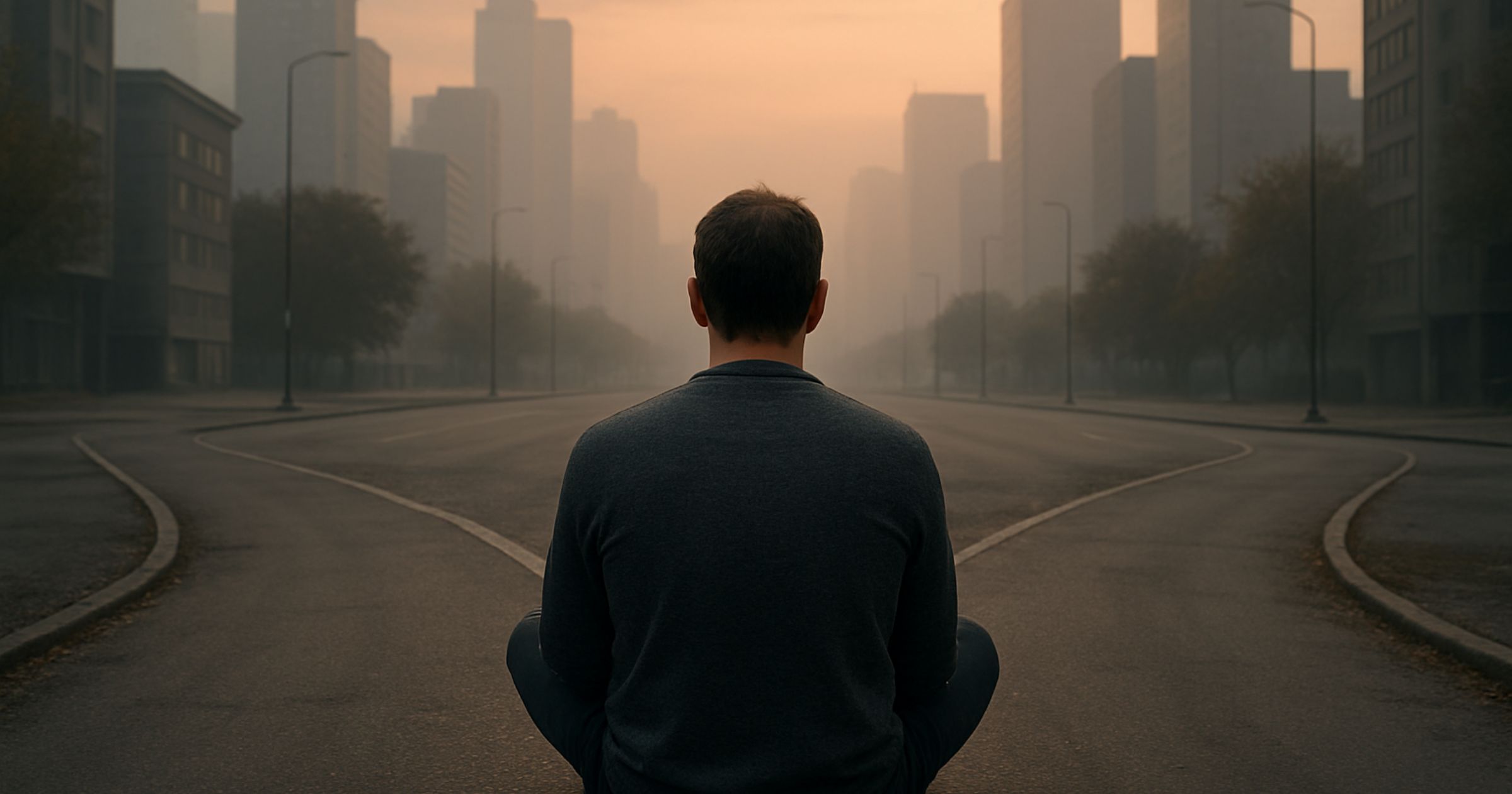
They also represent the ghosts we carry in daily life—our past mistakes, our buried emotions, the things we thought we let go of but haven’t. The things that still whisper when the room gets quiet.
And just like the Bhūtas, these inner ghosts don’t need to be feared. They need to be faced. Understood. Maybe even given a little compassion.
Final Thoughts: Peace for the Departed, Peace for Ourselves
Bhūtas remind us that death is not the end of the story—it’s a transition. And if something is left unresolved, it can linger. Whether it’s a ghost, a memory, or an emotional weight, the Buddhist path asks us not to ignore it, but to meet it with wisdom and care.
So if you ever feel haunted—by a feeling, a fear, or even a family ghost—you’re not alone. The teachings are here not just to calm the living, but to comfort the lingering.
And sometimes, the most spiritual thing you can do… is light a candle for someone who never got one.



 简体中文
简体中文  English