
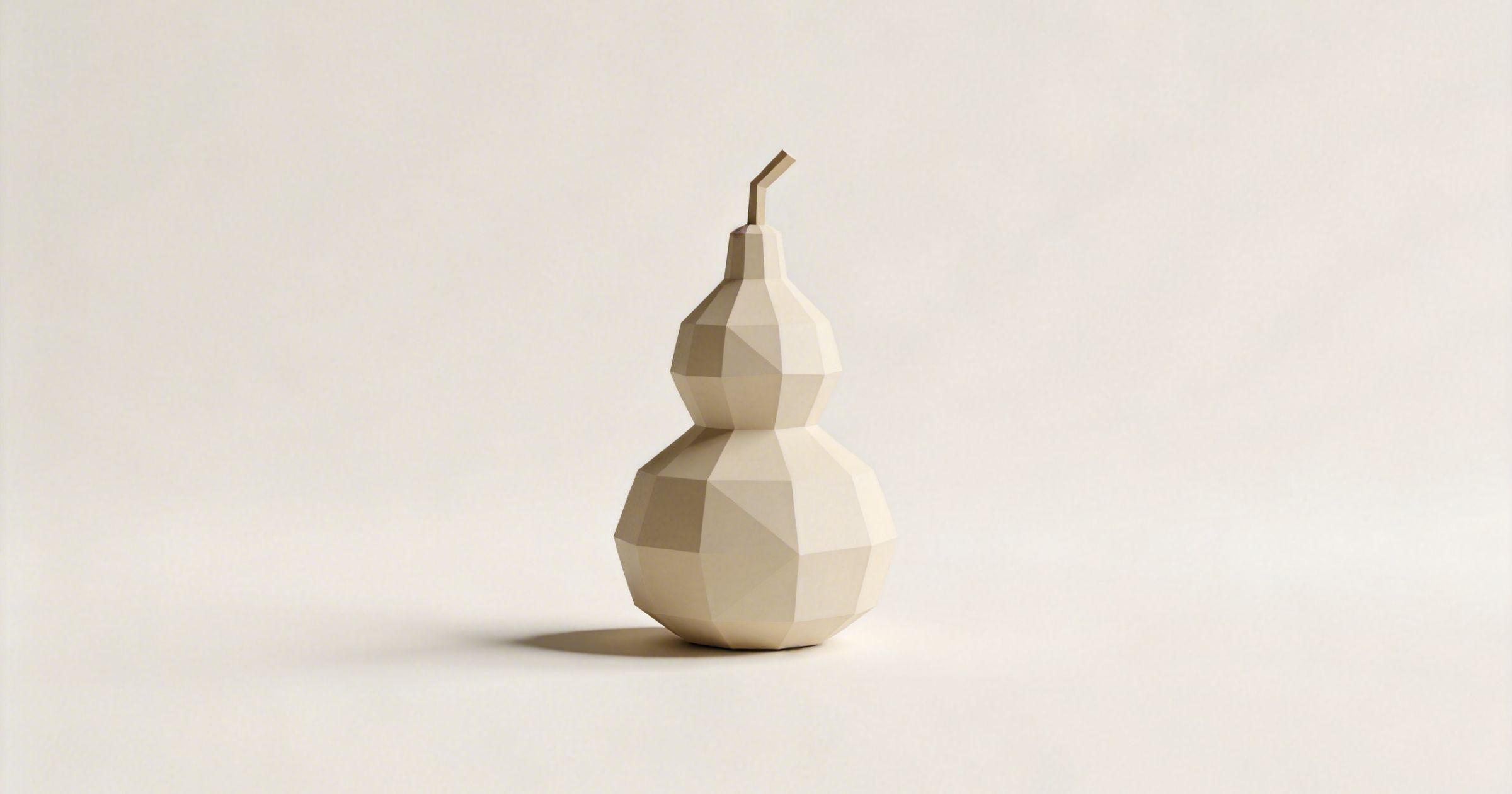
In many homes, especially in Asian households, you might notice a small, gourd-shaped object placed quietly near a bed, hanging by a window, or positioned carefully in a corner. It doesn’t look particularly powerful, and yet it carries a certain presence.
This object is known as the hulu (葫芦), also called wu lou. It comes from the bottle gourd, one of the oldest cultivated plants in human history. Long before it became a feng shui symbol, it was simply a practical tool—used as a container to store water, herbs, and medicine, making everyday life more convenient.
Over time, something shifted. What was once functional became symbolic.
The Question
How does an ordinary object like a gourd come to represent protection, health, and even wealth?
And more importantly, what does our belief in it reveal about how we respond to discomfort, uncertainty, and things we cannot fully control?
The System Behind the Hulu
In feng shui, the hulu is not just a decoration. It is considered a tool for managing energy—something that can absorb, contain, and transform unseen influences within a space. It can be made from different materials, such as natural dried gourds, copper, crystal, or ceramic, each carrying slightly different symbolic qualities.
Its shape plays a central role in its meaning. With a narrow neck and a rounded body, the hulu is believed to draw in negative energy and trap it inside, preventing it from circulating freely. This idea reflects a broader principle in feng shui—that the environment is not neutral, and that subtle influences can affect how we feel, think, and live.
Applying the Hulu in Daily Life
This belief becomes more visible in how the hulu is used in everyday situations. For example, when there are overhead beams in a home—especially above a bed or workspace—it is said to create pressure that can lead to discomfort or even physical strain over time. Hanging a hulu near the beam is believed to help “absorb” that pressure, reducing its impact.
Similarly, when a home faces places associated with illness or decay—such as hospitals, cemeteries, or even rubbish areas—the environment is thought to carry heavier or more negative energy. In such cases, a natural gourd is often placed near windows or doors facing these directions, as a way of buffering or weakening that influence.
Even sound, something we usually think of as purely physical, is included in this system. Living near construction sites, highways, or airports can create constant noise, leading to restlessness and irritation. While a hulu cannot physically reduce sound, placing it near the bed is believed to help calm the mind’s response to it, softening the experience rather than removing the cause.
Between Symbol and Effect
There are also more relational and emotional uses. In feng shui, the hulu is sometimes placed in the bedroom to improve harmony between couples. The belief is that it can help stabilize emotional energy, reduce conflict, and even support fertility.
In another context, the hulu is associated with wealth. Its name sounds similar to “fu lu” (福禄), which refers to fortune and prosperity. Its shape—small opening, large belly—is also seen as symbolic of accumulating wealth without letting it escape. Because of this, people place copper or brass gourds in specific positions believed to attract financial luck.
Historically, the hulu was also linked to healing. Ancient physicians used gourds to carry medicine, and over time, it became associated with the ability to absorb illness and restore balance. In feng shui practice, it is often placed in areas connected to health concerns, with the belief that it can draw out negative or “sick” energy from the environment.
What’s Really Happening
Looking at all these uses, a pattern begins to emerge.
The hulu is applied wherever there is discomfort—physical, emotional, environmental, or even symbolic. Beams that create pressure, spaces that feel heavy, noise that disturbs, relationships that strain, health that declines, wealth that feels unstable.
In each case, the hulu becomes a response.
Not necessarily to change the situation directly, but to relate to it differently.
Personal Reflection
I find it interesting how something so simple can carry so many meanings. Part of me sees it as tradition—a system built over time, shaped by culture and passed down across generations.
But another part of me understands why it persists.
Because there are many aspects of life we cannot fully control. Health, timing, relationships, external conditions—these don’t always respond to effort or logic.
And in those moments, having something tangible to place, to adjust, or to rely on feels grounding.
It creates the sense that something is being done.
A Familiar Pattern
This pattern is not unique to feng shui. It appears in many forms.
In rituals. In habits. In systems we follow without fully questioning.
It’s similar to what I’ve been exploring in my reflections on Is Buddhism a Religion or a Teaching?—the idea that practice does not always lead to understanding. You can repeat something for years, follow a structure, and still feel like something essential hasn’t quite been seen.
The same pattern appears in Chanting in Buddhism: Between Sound and Understanding, where repetition can continue even when awareness is missing.
In a similar way, placing a hulu may not always be about understanding energy.
It may be about responding to uncertainty.
Insight
Whether or not the hulu works as intended depends on what you believe.
But what it clearly reveals is something about us.
We are not just trying to control our environment.
We are trying to feel at ease within it.
Objects like the hulu give shape to things we cannot see. They allow us to externalize discomfort, to symbolically manage what feels unmanageable.
And perhaps the deeper function is not in changing the world itself, but in changing how we experience it.
Reflection Question
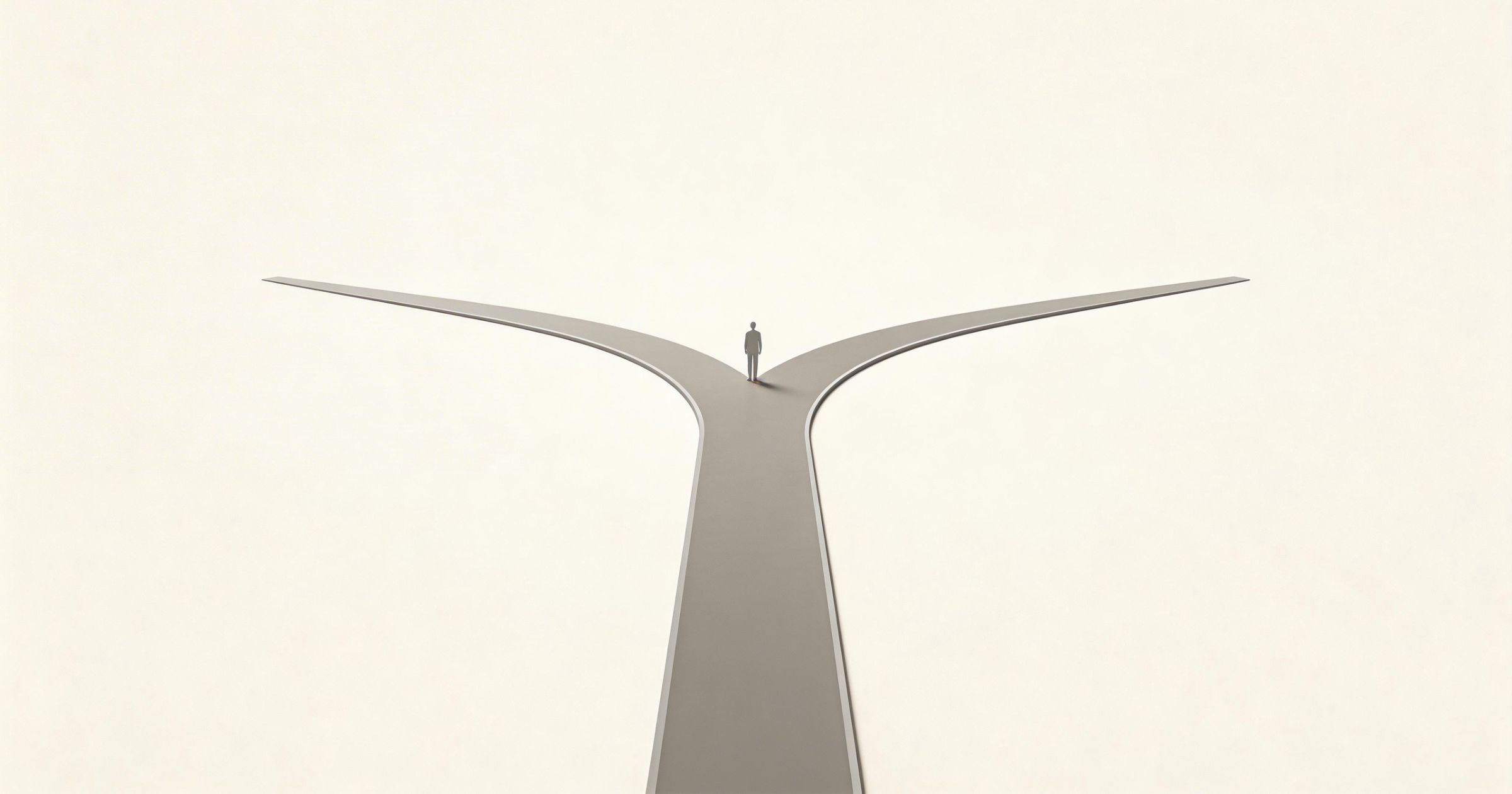
When you place meaning into an object, are you trying to transform your surroundings—
or the way you relate to them?
 English
  简体中文
简体中文